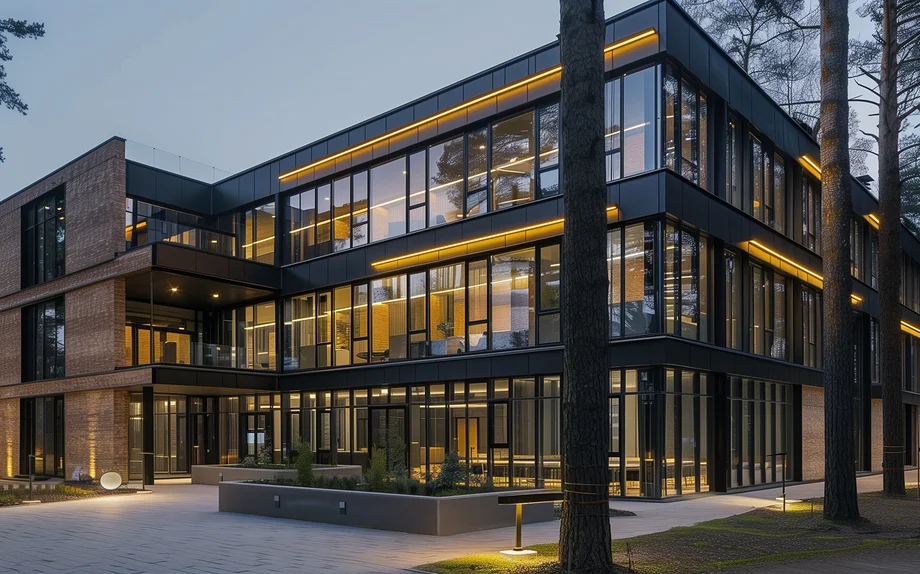
We create a space where people want to stay
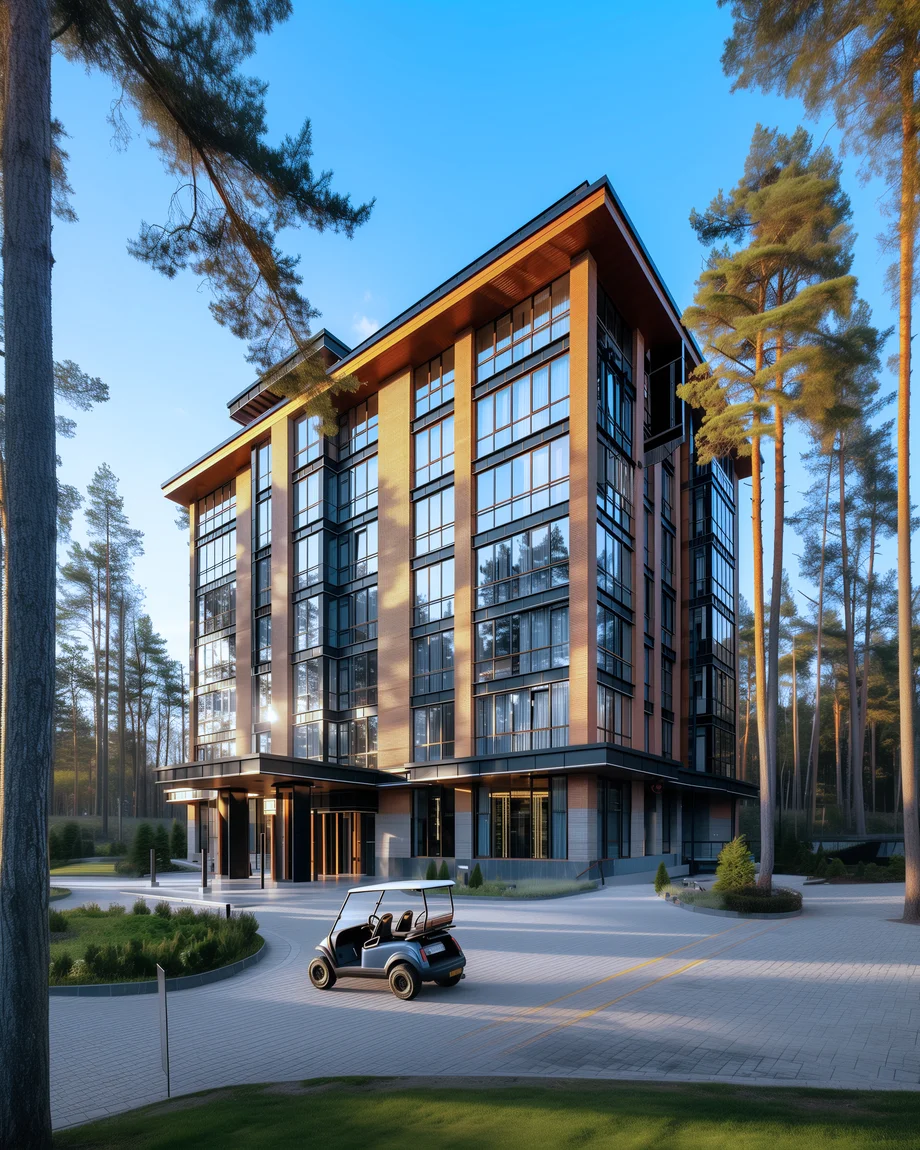


How multifunctional spaces are changing the approach to helping displaced people — and beyond
In response to the challenges of war, thousands of Ukrainians have been left without a home, a job, or basic access to healthcare and education. Standard support mechanisms proved insufficient. That’s why the idea of a hub emerged — a place where a person receives not only temporary shelter, but a real opportunity to start over.
A hub is more than a building
It’s an environment that combines basic needs (housing, food, medical care) with opportunities for growth — education, work, sports, and leisure. It’s a place where people feel they are not alone. Where dignity is not only respected, but actively restored.
How is a hub different from a humanitarian center?
- Humanitarian aid is about surviving.
- A hub is about living.
- Here, a person doesn’t just receive help — they become part of a community, take part in daily life, volunteer, work, learn, and create.
Ukraine as an example for the world
Similar models already exist in Poland, Germany, and Canada. But it is in Ukraine — in the midst of war — that a new model of resilience is taking shape. Hubs are an answer not only to war, but also to the global crises of the future. Because forced displacement is not a problem of one country. It is a challenge that will become reality for millions of people in the 21st century.
“Mriya. New Life Hub” is one of these initiatives
We have already created residential infrastructure and are planning sports, medical, and administrative clusters. Our goal is not just to support people through a difficult moment, but to build a platform for transformation. And we invite partners to join us.